Looking to upgrade an existing loading arm? Start with how the arm is actually being used.
There is no single list of loading arm accessories that works for every application. A bottom-loading truck arm may need an API coupler and parking adaptor, while a top-loading railcar arm may need a completely different connection and storage setup.
This guide breaks down some key loading arm upgrades by loading method and operating need. If you are looking for specific products, you can also explore loading arm accessories available on our website or contact Northern Platforms for more information.
What is Considered a Loading Arm Upgrade?
“Loading arm accessory” is a broad term. Not everything added to a loading system is technically an accessory, and not every replacement part is an upgrade.
In general, the equipment you may be looking for falls into a few categories.
Connection equipment: Couplers, disconnects, and other components used where the loading arm connects to the truck, railcar or transfer system.
Loading-system safety equipment: Equipment such as grounding verification, overfill protection, emergency shutdown or vapour-control systems may work with the loading arm without being physically mounted to it.
Temperature-control options: Heat tracing, insulation and other configurations may be used where a transferred product has specific temperature requirements.
Replacement parts: Swivels, seals, and other components may need to be replaced because of wear or failure. Replacing a worn component is maintenance—not necessarily an upgrade.
These distinctions matter when you are looking for parts. Before Northern Platforms can recommend an option, the team needs to understand whether you want to add a capability, change the configuration or simply restore the existing arm to working condition.
How to Choose Loading Arm Upgrades
Start With Your Loading Method
The easiest way to narrow down loading arm upgrades is to start with the type of loading system you already have—or the system you are planning.
For example, are you:
Top loading through an open hatch?
Top loading through a closed or tight-fill connection?
Bottom loading through a vehicle adaptor?
Loading a truck?
Loading a railcar?
Planning a new system?
Modifying an existing one?
These differences have a major impact on the accessories that make sense.
An API bottom-loading coupler, for example, is associated with a specific type of bottom-loading connection. It is not something you would simply add to a top splash-loading railcar arm.
The same goes for factors such as pipe size, product, pressure and temperature. Loading arms are generally selected around the application rather than treated as one-size-fits-all equipment.
Let’s discuss some popular upgrades for top-loading (both splash and tight fill) and bottom-loading arms. If you are still deciding on the basic configuration, see Northern Platforms’ top-loading arms and bottom-loading arms before comparing individual upgrades.
Top Splash-Loading Arm Upgrades
Top splash loading typically involves positioning the loading arm through an open hatch and transferring product through a drop tube or similar outlet arrangement.
Because there is no sealed API-style connection to the vehicle, the most useful upgrades are different from those used in bottom loading. Some examples include:
Drop tubes: Carrie product from the loading arm down into the truck or railcar.
Splash-control components: Used when more control over the product discharge is needed.
Overfill protection: Helps detect when the receiving vessel is approaching its fill limit so the loading process can be stopped before an overfill occurs.
Vapour recovery: Some top-loading applications may also include vapour-recovery or vapour-return equipment. For a more detailed discussion, see Vapour Recovery During Tanker Truck Loading.
Upgrades for Closed or Tight-Fill Top Loading
Closed top loading has different requirements because the arm connects through a sealed or tight-fill connection rather than simply entering an open hatch. Some common loading arm accessories for this type of loading system include:
Tight-fill connections and couplers: Create a sealed connection between the loading arm and the receiving vessel to support a closed product-transfer system.
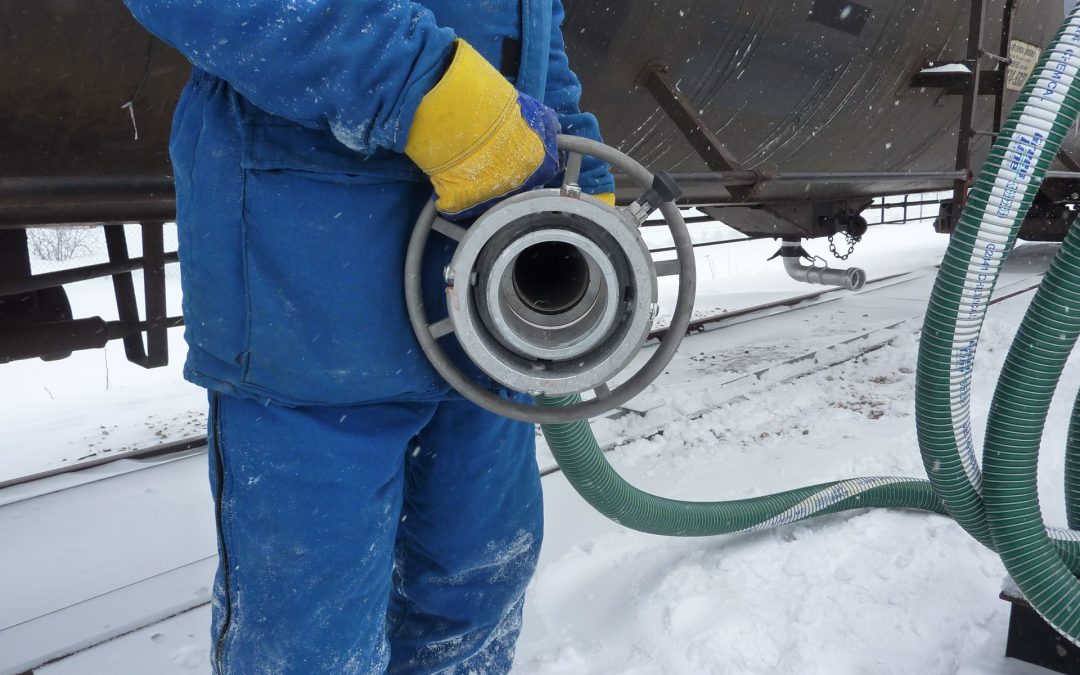
Dry disconnect couplers: A dry disconnect may be useful in applications where controlling product release during connection and disconnection is important. Northern Platforms offers products such as the OPW Kamvalok Dry Disconnect.
Breakaway couplings: Provide a designed separation point in the transfer system if excessive force is applied to the connection, helping limit damage to the loading equipment.
Vapour return/recovery: A closed-loading arrangement may include a vapour-return connection or separate vapour-recovery equipment. Depending on the system, this could involve another arm or equipment elsewhere in the loading station. It should be evaluated as part of the complete transfer system rather than selected as a standalone accessory.
Bottom-Loading Arm Upgrades
Bottom loading generally involves connecting the loading arm directly to an adaptor on the vehicle.
For that reason, some of the most important loading arm upgrades involve the connection itself, including:
API bottom-loading couplers: Connect the loading arm to a compatible vehicle adaptor and are commonly used in bottom-loading truck applications.
Dry disconnect couplers: Help control product release during connection and disconnection in applications where a dry-break style connection is appropriate.
Breakaway couplings: Provide a designed separation point in the transfer system if excessive force is applied to the connection, helping limit damage to the loading equipment.
Grounding and overfill protection: May be integrated into the broader loading system to verify grounding and help prevent loading beyond the receiving vehicle’s intended capacity. These systems may not be mounted directly to the loading arm and should be reviewed as part of the complete loading setup.
Consider Heated or Insulated Options
For temperature-sensitive products, the loading arm itself may require a different configuration. Possible options may include:
Heat tracing
Insulation
Steam jacketing
Heated piping
Temperature-compatible seals
The right option depends on the product and required operating temperature, as well as ambient conditions, transfer frequency and piping design.
Keep in mind: Insulation, heating equipment and other added components can change the weight and movement of the loading arm. On a spring-counterbalanced arm, which can affect how easily the arm moves and how far it can reach.
Explore Overfill Protection, Grounding and Other Safety Equipment
Some equipment commonly discussed as “loading arm accessories” is really part of the wider loading system.
This may include:
Grounding and bonding verification
Overfill protection
Emergency shutdown
Breakaway protection
Vapour recovery
Vapour monitoring
Other loading-control systems
When you are planning one of these upgrades, look at how the equipment fits into the complete loading operation rather than assuming it is a bolt-on accessory.
Can an Existing Loading Arm Be Upgraded?
Yes, in some situations, an existing loading arm can be upgraded or refurbished; however, this depends on the condition of your existing system, your site’s requirements and more. If you are interested in refurbishing your existing top or bottom-loading arm, talk to the team at Northern Platforms. We’ll review several key details, including:
Manufacturer and model
Age and condition
Loading method
Transferred product
Existing connection
And more
This review determines whether the work involves adding an accessory, reconfiguring the arm, replacing a worn component or replacing the complete loading arm.
Not sure which loading arm upgrade fits your operation? Let the Northern Platforms team help. Tell us whether you are top or bottom loading, what you are transferring, your pressure and temperature, the existing loading-arm manufacturer and model, and what you want to change.
Ready to get started? Request more information through our website, call our office, or explore loading arm accessories available now.
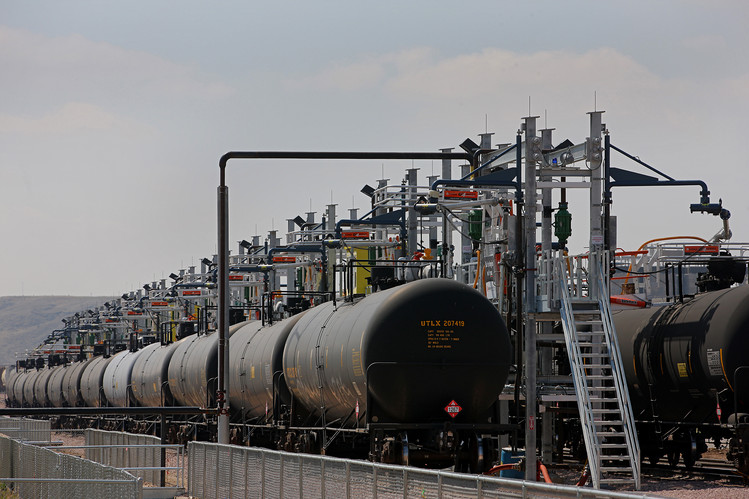
From crude oil, ethanol, chemicals, LPG, and everything in between, railcars move an enormous volume of product across Western Canada every day. But not every tank car is built the same, and not every loading system should be either. In other words, the equipment, safety controls, and regulatory requirements for a pressurized LPG railcar look very different from what you need for a non-pressurized option.
At Northern Platforms, we help industrial operators across Western Canada design and install turnkey loading solutions engineered for their specific application. We have experience with both pressurized and non-pressurized systems. Keep reading to learn more about how these systems are different and how we can help.
Understanding Tank Car Types
Before diving into equipment, it helps to understand the fundamental distinction between the two main categories of tank cars.
Non-Pressurized (General Service) Tank Cars
Non-pressurized tank cars, marked as TC-117 in Canada, are general service vessels designed to carry materials at pressures typically below 25 psi. These cars transport a wide range of products, including:
Agricultural commodities
Diesel fuel and petroleum products
Crude oil and ethanol
Food-grade liquids
Non-hazardous chemicals
These cars typically feature visible fittings and valves at the top, and may also include a bottom outlet valve for unloading. Their design is more straightforward, and loading operations are generally less complex than those of pressurized systems.
Pressurized Tank Cars
Pressurized tank cars, designated by TC-105 and TC-112 in Canada, are purpose-built vessels used to transport liquefied compressed gases under pressure, typically above 40 psi. Products commonly transported in pressurized tank cars include:
LPG (liquefied petroleum gas) — propane and butane
Anhydrous ammonia
Chlorine
Other liquefied gases and high-hazard materials
These cars feature heavy-duty protective housings over their fittings, steel jackets, and thermal protection systems designed to prevent catastrophic failure in the event of a fire or accident. The key reason LPG must be transported in pressurized cars? Propane and butane exist as liquids only when kept under pressure. The moment that pressure is compromised, the liquid can flash back into a gas.
Loading Systems for Non-Pressurized Tank Cars
Non-pressurized loading operations are the more common of the two configurations. The products involved, such as crude oil, ethanol, diesel, and chemicals, are typically at or near atmospheric pressure, which makes the loading system design more forgiving.
Transfer Equipment
For non-pressurized service, operators can choose from a range of transfer options, including standard top-loading arms, bottom-loading systems, or reinforced flexible hoses. The primary engineering priorities for non-pressurized loading are flow rate, material compatibility, and reach.
Vapor Management
Depending on the product, non-pressurized loading may allow for open venting or vapour balancing rather than full closed-loop vapour recovery. Environmental regulations still govern allowable emissions, but the system architecture is significantly less complex than what’s required for LPG.
Platform and Access
Regardless of what product you are transferring, worker access to the top of a non-pressurized tank car still requires a proper loading platform, gangway, and fall protection. These railcar loading platforms are typically purpose-built to accommodate the types of locomotives you deal with most frequently.
Regulatory Requirements
Non-pressurized loading operations are subject to Transport Canada’s Transportation of Dangerous Goods Act and relevant provincial OHS regulations. Alberta’s OHS Code and WorkSafeBC both require fall protection for workers at heights of three metres or more. Other regulations and requirements vary depending on the type of product that you are dealing with.
Loading Systems for Pressurized Tank Cars
Loading LPG into a pressurized railcar isn’t simply a matter of connecting a hose and opening a valve. The high-pressure, volatile nature of LPG demands a system built from the ground up for these conditions.
Transfer Equipment
The LPG loading arm is the heart of any pressurized railcar loading station. The best systems for railcar applications include:
High-pressure construction: Carbon steel or stainless steel rated for LPG service pressures
Counterbalanced swivel joints: Allow smooth, ergonomic movement so a single operator can position the arm without strain
Leak-resistant sealing systems: Engineered to prevent drips, leaks, and emissions at connection points
Integrated vapour recovery ports: Support a closed-loop system to capture displaced vapours during loading
Emergency breakaway safety couplers: Automatically disconnect and seal in the event of an unexpected railcar rollaway
NFPA 58-compliant design: Meets the Liquefied Petroleum Gas Code for safe LPG handling
Pressurized LPG loading requires a fully closed-loop vapour recovery system. As liquid LPG is pumped into the tank car, displaced vapours must be captured and routed back into the storage system. This prevents both environmental emissions and dangerous vapour accumulation around the loading platform.
A properly specified LPG loading arm integrates vapour recovery capability directly into the transfer system, maintaining a sealed circuit from storage tank to railcar throughout the entire loading cycle.
Platform and Worker Access
As with non-pressurized operations, a proper loading platform, gangway, and fall protection system are required. For LPG, this also includes a safety cage surrounding the operator at the top of the railcar during connection and disconnection.
Emergency Controls
Automatic emergency shutoff valves are mandatory for pressurized LPG service under NFPA 58. These valves immediately halt product flow in the event of a detected leak, fire, or unexpected railcar movement. In addition, a grounding and bonding system is required to eliminate static discharge risk.
Regulatory Requirements
Any facility loading LPG must comply with NFPA 58, the Liquefied Petroleum Gas Code. In Canada, the Transportation of Dangerous Goods (TDG) Act and the Liquefied Petroleum Gases Bulk Storage Regulations may also apply.
Top Loading and LPG Loading Arms from Northern Platforms
Whether you’re loading general service products or high-pressure LPG, Northern Platforms is your single source for railcar loading arms across Western Canada. As an authorized distributor of OPW Engineered Systems, we carry the full line of top-loading arm configurations, and we have the application expertise to match the right arm to your product, your railcar type, and your site.
Our loading arm inventory includes:
Boom-Style (Supported and Unsupported) Loading Arms: Available in 2″, 3″, 4″, and 6″ sizes in carbon steel, stainless steel, or aluminum. Built for variable-reach applications and ideal for both LPG and general service railcar loading. Folds back against the platform for compact storage.
Bullhorn (Dual Connection) Loading Arms: The preferred configuration for pressurized LPG railcars, providing dual product connections from a single standpost to accommodate two liquid lines and a vapour recovery line.
Scissor Style Loading Arms: Designed for tanker truck loading applications with a secondary arm that rotates 360° in the horizontal plane, offering a spotting allowance nearly twice its length.
Fixed Reach Style Loading Arms: A simplified three-swivel design for straightforward top-loading applications. Available with an optional outboard valve to reduce drips and leaks on viscous products.
Custom Insulation Packages: For temperature-sensitive loading applications like molten sulphur, fully removable and reusable, available in top and bottom designs.
We’ve been supplying and installing railcar loading systems across Alberta and BC for over 20 years. Whether you need a single replacement arm or a complete turnkey loading station, our team will make sure you get the right equipment for your application.
Get a Quote from Northern Platforms
Ready to add a new railcar loading arm to your site or upgrade your complete loading station? Our team will assess your site, recommend the right configuration, and provide a transparent quote.
Runaway railcars, falls from height, product spills…these are just some of the risks of unsafe railcar loading systems. But did you know that you can easily prevent these dangers by investing in the proper equipment?
In this guide, we’ll explore some practical solutions to common railcar loading mistakes. With a couple of simple products from Northern Platforms, your Western Canadian operation will be safer and more efficient in no time.
Runaway Railcars
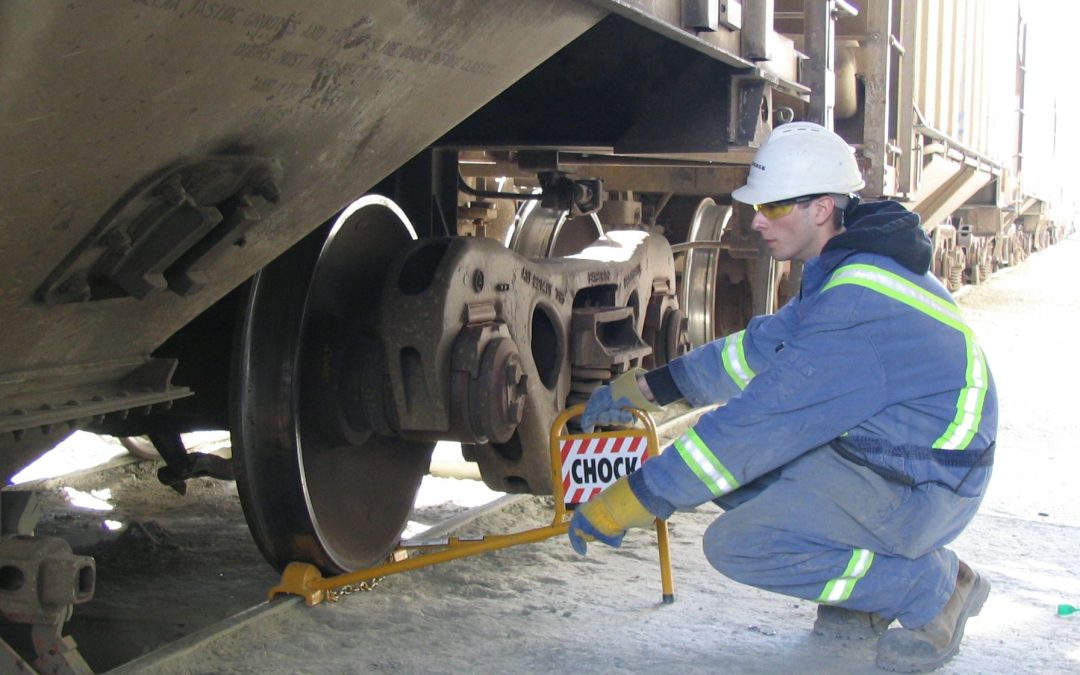
Here’s the truth: it only takes a small gust of wind to set your railcar rolling, causing accidents, equipment damage, and—in the worst-case scenario—worker injury. That’s why it is so important to properly secure your railcars during loading and unloading operations.
The Solution: Railcar Wheel Chocks
Transport Canada’s rules are clear: railcar wheel chocks are required for all parked railcars, especially during loading, unloading, or maintenance. These simple systems prevent unexpected movement and keep railcars stationary when it matters.
Falls from railcars represent one of the most serious hazards in loading operations—but many operations fail to have proper protections in place. Are your workers regularly accessing the tops of railcars? Without the right equipment, simple tasks turn into life-threatening situations.
The Solution: Railcar Fall Protection
Fall protection systems aren’t just a suggestion—they are a requirement. Alberta’s Occupational Health and Safety Code and BC’s WorkSafeBC regulations require fall protection for employees performing tasks at heights of three metres or more. At Northern Platforms, we specialize in providing railcar fall protection systems for Alberta and BC operations, including:
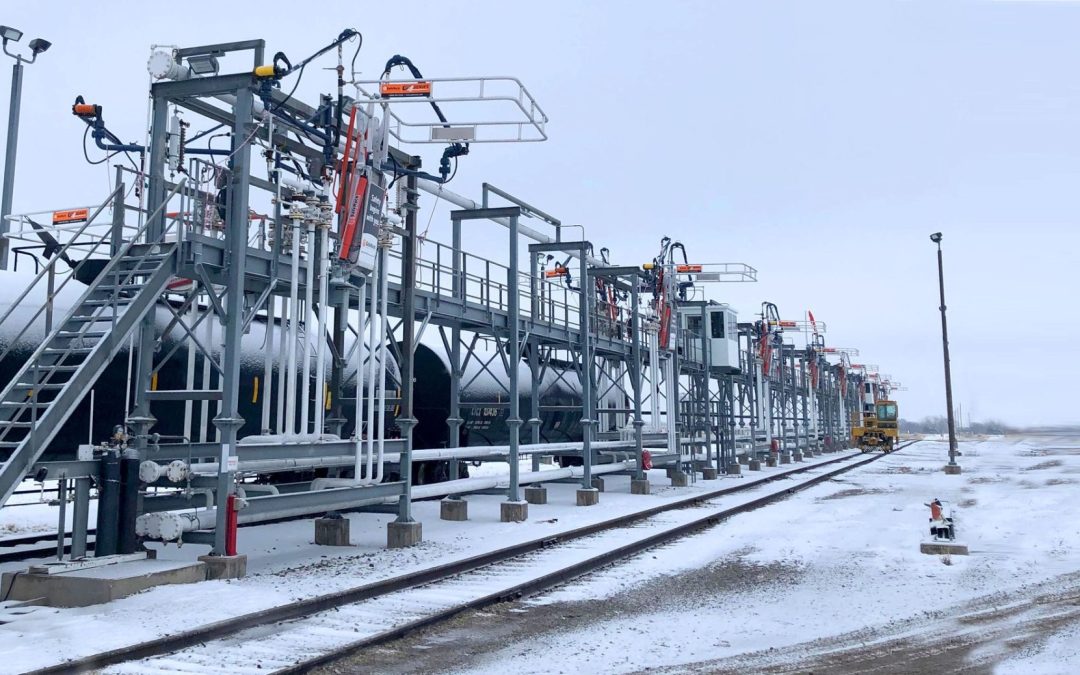
Permanent or mobile railcar loading platforms
Tracking and telescoping gangways
Tank car safety cages
And more!
Contact us for a complete site assessment and to start building your fall protection plan.
Uncontrolled Product Leaks
When you are dealing with hazardous materials, even the smallest spill can have serious consequences. Drips during connection or disconnection, accidental overfills, or other issues can impact your surrounding environment and violate local and national regulations.
The Solution: Spill Containment
While spills are never completely preventable, there are some systems that can help minimize the risk. For example, overfill prevention systems for loading arms are designed to detect spills immediately and shut off flow. Dry disconnects are another option that automatically close as soon as the coupling is unhooked.
Plus, you should also invest in railroad spill containment systems, such as track pans. These modular systems fit between and alongside tracks, capturing leaks and spills before they can seep into the ground or reach water sources.
Choose Northern Platforms for Railcar Wheel Chocks, Fall Protection, and More!
At Northern Platforms, we understand the unique challenges of railcar loading operations. Since 2002, we’ve been Western Canada’s trusted leader in supplying high-quality railcar loading racks, loading arms, safe access equipment, and fall protection systems that comply with all applicable regulations. Our team provides turnkey solutions custom-engineered to your specific needs, including:
Loading platforms with tracking gangways to accommodate railcar mis-spotting
Alberta OHS Code and WorkSafeBC-compliant fall protection systems and tank car safety cages
Top and bottom loading arms for safe material transfer
Railcar wheel chocks designed to comply with local regulations
Our experienced team will visit your site, assess your needs, and provide customized recommendations that integrate seamlessly into your existing operation.
Contact Us Today
Ready to start building a complete railcar safety system? Call Northern Platforms or request a quote through our website now!
British Columbia rail and industrial operations require robust fall protection and loading systems that comply with local regulations, help protect workers, and stand the test of time. Northern Platforms designs, supplies, and installs rail access systems, industrial platforms, and guardrails that do all this—and more. Keep reading to learn more about effective railcar loading systems in BC and how our company can help.
Railcar Loading Requirements in British Columbia
WorkSafe BC
In British Columbia, WorkSafeBC requires fall protection when workers can fall 3 m (10 ft) or where a lesser height presents greater risk than a flat‑surface impact, which commonly applies around rail loading racks, platforms, and mezzanine edges. Most sites use permanent guardrails to address these risks; however, these solutions aren’t practical for some sites. In these cases, BC requires a written plan before work begins and clear instructions to workers.
The Railway Safety Act
For facilities located on or working with federally regulated railway corridors (such as those operated by CN), additional obligations may apply. The Railway Safety Act addresses broader rail operational safety, including track maintenance, railway equipment, signal systems, grade crossings, dangerous goods handling, and the operating rules that control how workers and equipment interact with rail infrastructure. Northern Platforms designs systems that satisfy both provincial and national regulations, ensuring your facility meets all applicable requirements.
Complete Railcar Loading Systems for BC Operations
There are several elements of an ideal railcar loading system for British Columbia sites, including:
Railcar access systems: gangways, tank car safety cages, and guardrails designed to satisfy WorkSafeBC fall protection requirements.
Industrial access platforms and guardrails: fixed/modular platforms, mezzanine gates, and compliant guardrail systems meeting BC height and load criteria and acceptable standards.
Additional safety systems: Beyond fall protection, we stock a variety of products that promote safe railcar loading, including wheel chocks, blue flags, and more.
Additional Products for BC Operations
British Columbia’s diverse industries—from marine terminals to forestry operations—require specialized access and fall protection solutions beyond railcar loading systems. Northern Platforms supplies a complete range of products designed for BC’s unique operational environments:
Loading Arms: Upgrade your loading and unloading operations with OPW loading arms that are tailored to the needs of your industry. As a turnkey system provider, Northern Platforms will ensure your loading arms integrate seamlessly with your platforms and gangways.
Modular Platform Systems: Bolt-together ErectaStep platforms requiring no welding—ideal for pulp and paper mills, food processing facilities, and operations with hot-work permit restrictions.
For more information about building a complete WorkSafeBC-compliant system for your BC operation, contact Northern Platforms today.
Serving British Columbia Industries
Northern Platforms provides fall protection systems and loading equipment to operations across BC, including:
Vancouver
Prince Rupert
Mission
Courtenay
Get Started with Northern Platforms Today!
Your British Columbia railcar loading systems depend on design and installation that meet local conditions and WorkSafeBC regulations. Whether you are operating a Vancouver port facility, a Prince George transloading terminal, or an interior BC rail yard, Northern Platforms brings regional expertise and proven experience to every single contract. Plus, as a complete turnkey service provider, we can provide everything from comprehensive railcar loading system design to ongoing and consistent maintenance.
Ready to ensure your BC railcar loading systems meet local compliance and safety standards? Contact Northern Platforms for a no-obligation site assessment. Our specialists will evaluate your facility, recommend optimal solutions, and provide transparent proposals for supply and installation. Get in touch today to get started!
Northern Platforms is the Western Canadian leader in industrial access solutions, specializing in fall protection systems and turnkey installation services for oil and gas, petrochemical, manufacturing, and agricultural sectors. We supply some of the best products on the market, including SafeRack, ErectaStep, OPW, and more.
Albertan and BC operations regularly deal with high pressures, intense temperatures, and other rough conditions. Are your fittings and loading arms up to the task? Keep reading to learn more about one of the best fittings on the market—and how the Northern Platforms team can help improve your railcar loading system today.
What are Hiltap Fittings?
When industrial operations demand the highest level of safety and reliability, Hiltap fittings deliver. Manufactured by OPW, these specialized quick couplings handle the most challenging liquid and gas transfer applications with ease. They are specifically designed to handle high and low pressures and temperatures.
Benefits of Hiltap Fittings
Hiltap fittings are loved by many of our customers. Here are some of the advantages of this fitting:
Innovative Designs: This fitting features a metal-to-metal wedge seal design that locks under pressure. Don’t worry about the risks of accidental disconnections—this design offers complete protection in every circumstance.
Built for High Pressure and Intense Temperatures: If you regularly deal with high pressures or intense temperatures, you probably already know that many fittings on the market are not designed to handle these circumstances. But if you opt for Hiltap fittings on your railcar loading arms, you can rest assured that they will operate safely and efficiently through wide pressure and temperature ranges.
Complete Regulatory Compliance: Safety and compliance are a must for all truck and railcar loading systems—which is why all Hiltap fittings come with comprehensive compliance documentation, including Canadian Registration Numbers.
Common Applications Hiltap Fittings
Many Albertan industries benefit from the technology and quality of OPW’s Hiltap fittings, including:
Oil and gas: Ideal for high-pressure applications and sour gas handling.
Chemical and petrochemical: Ensures secure and safe transfer of hazardous materials.
Natural gas liquids (NGLs): Pressurized railcars require a loading system and fitting that complies with strict local and national regulations.
Other industries: These fittings are also regularly used for aerospace, nuclear, and cryogenic applications, due to their pressure and temperature handling capabilities.
Popular Hiltap Fittings
At Northern Platforms, we can equip your railcar loading system with several different types of hiltap fittings. Here are some of the options that we currently offer to customers:
3TL Transfer Loading Series: One of the bestselling fittings that Northern Platforms offers, this all-purpose solution provides leak-proof sealing while also maintaining unrestricted flow. Enjoy a quick connection, dry disconnects, and safe venting of any residual pressure.
3U Series: These fittings are specifically designed to replace conventional medium-pressure unions/couplings. This fitting is ideal for smaller transfers that deal with significant temperature cycling.
LQC (Locking Quick Connect) Series: Do you regularly deal with pressurized railcars or tanks? This coupling is guaranteed to never disconnect under line pressure. Opt for this design for operations involving oils, NGLs, acids, and other hazardous materials.
Contact Northern Platforms for Hiltap Fittings and Railcar Loading Systems Today!
Which Hiltap fitting will you add to your operation? With over 20 years of industry experience, the Northern Platforms team can walk you through our options and provide product recommendations tailored to your situation. Plus, if you are looking to upgrade other elements of your railcar loading system, we’ve got you covered. As Western Canada’s leading provider of fall protection and safe access equipment, we have everything you need to design, build, and create the perfect solution. Explore our product offerings online or contact our sales team for more information! Let us help make your operations safer and more efficient today.
Are you considering a new railcar loading system? You’ll need a provider who knows the ins and outs of loading equipment, fall protection systems, and more. Keep reading to learn how partnering with a full-service company like Northern Platforms will help deliver expert results.
Key Takeaways
Railcar systems count on several elements (loading platforms, gangways, loading arms, and more) for efficient loading and unloading. All these elements must work hand in hand.
Ad hoc approaches leave companies vulnerable to operational delays and ineffective systems.
Partnering with a full-service company like Northern Platforms early on in the process generates the best possible railcar loading system.
Why Turnkey Railcar Loading Systems Win
1. Everything Works Together Seamlessly
Railcar loading systems can be complicated. In order to function properly, your gangway, loading arm, and platform need to work hand in hand. However, when you opt for multiple products from multiple contractors, you risk compatibility issues, which can have both short-term and long-term effects on your system.
On the other hand, turnkey providers help eliminate compatibility issues from the start. With a unified system, every component works together flawlessly, eliminating operational concerns and significantly reducing installation stress.
2. They Draw on Decades of Experience
When you opt for an experienced and full-service safe access provider, you will have countless years of experience at your disposal. While piecemeal providers might only have experience in their niche, a company like Northern Platforms has been designing, building, and maintaining complete systems for over 20 years. We’ve tackled everything from simple systems to multi-hatch configurations. We also have expertise in many different industries, including natural gas liquids (NGLs), refined fuels, agricultural products (fertilizer, NH3, UAN) and more.
3. They’re Infinitely Customizable
When it comes to railcar loading systems, there is no “one size fits all.” You and your contractor will need to consider many different factors and circumstances to ensure your new rack seamlessly integrates into your operations. Here are some questions that you should keep in mind:
What type of railcars are you regularly performing work on?
How are your railcars being moved around the site?
What are the limits of your existing system?
Based on your answers to these questions and more, an experienced and full service provider can design a system that is directly based on your needs. This might include selecting the ideal loading arm, choosing the right fittings, and adding additional safety features like wheel chocks, blue flags, and spill containment pads.
4. They Have One Contact From Start to Finish
One of the biggest operational advantages of partnering with a turnkey provider? Your project will have one contact from start to finish. Avoid the headache of juggling multiple vendors, timelines, contacts, and invoices and let Northern Platforms take care of everything from installation to ongoing maintenance and repairs!
Northern Platforms: Western Canada’s Experts in Railcar Loading Systems
Western Canadian companies depend on reliable, functional, and long-lasting railcar loading racks. But without proper designs, project management, or products, these essential systems can fail you when you need them most.
Avoid operational delays and costly mistakes—opt for a full-service provider who oversees your project from beginning to end. At Northern Platforms, we guarantee expert fall protection systems, high-quality products, and customer service that puts you and your operations first. Ready to upgrade your railcar loading rack? Contact our sales team to learn more about our products or schedule your site visit today!