
















news
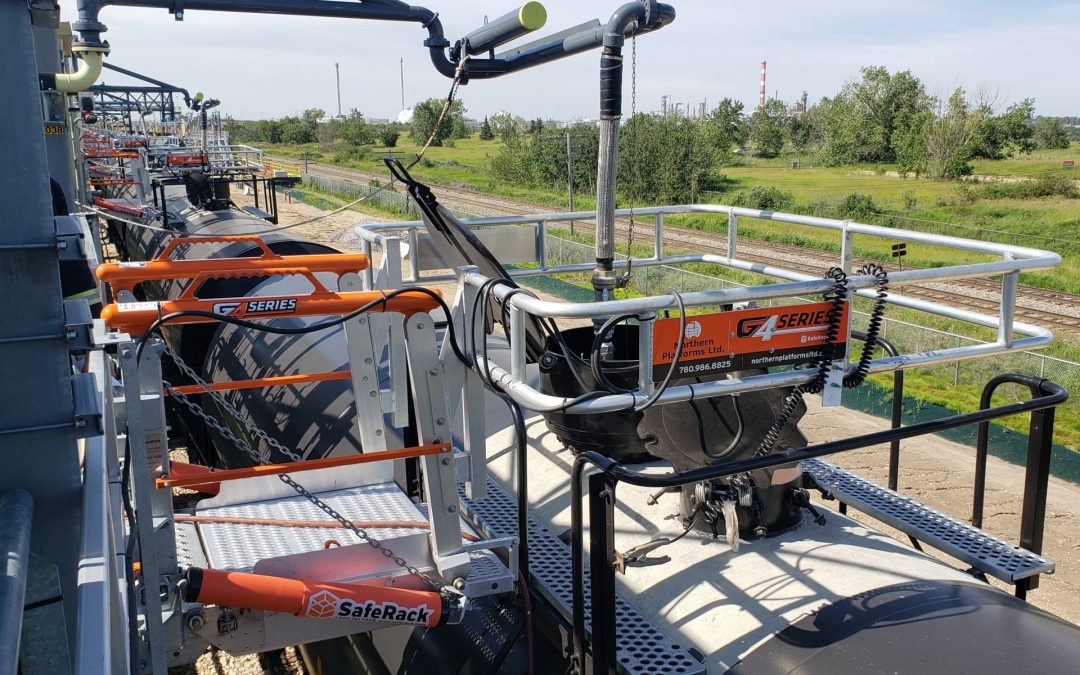
Active vs. Passive Fall Protection: Which is Better for Your Alberta Facility?
When selecting fall protection equipment for an industrial site, one of the first decisions is whether workers should be protected by a passive...

Why LPG Loading Uses Two Arms: Liquid Transfer and Vapour Return Explained
LPG loading is not a single-connection process. When liquefied petroleum gas moves between a storage system and a tanker truck or railcar, the...
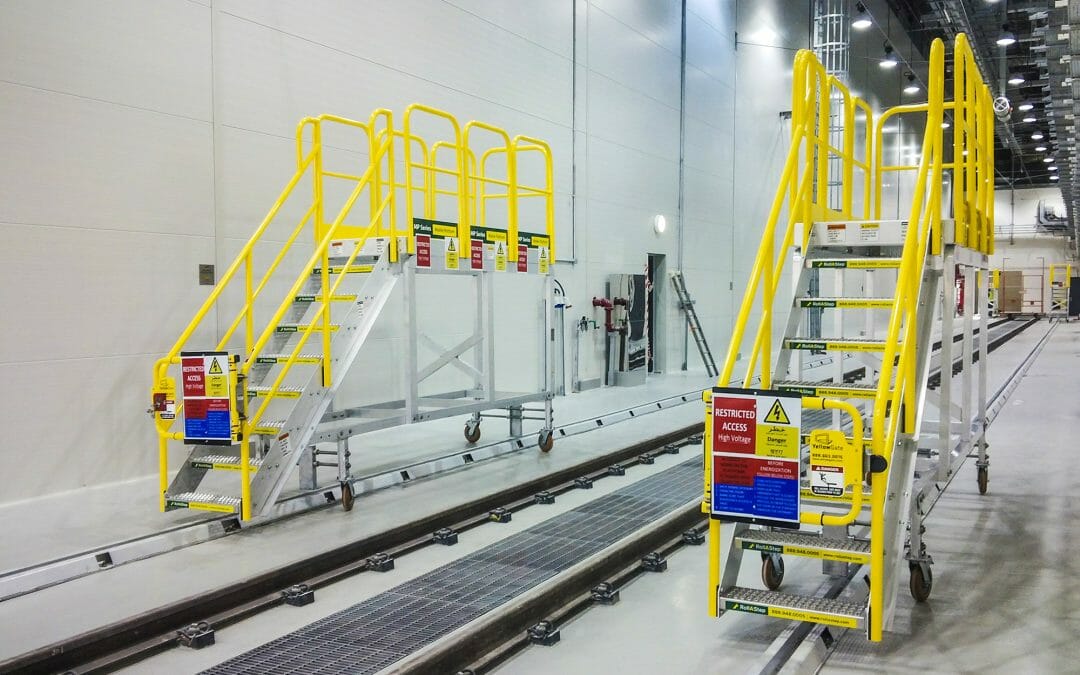
How to Improve Access Around Valves, Pumps, and Process Equipment
In industrial facilities, valves, pumps, piping, and other process equipment are essential to day-to-day operations—but they are not always easy to...
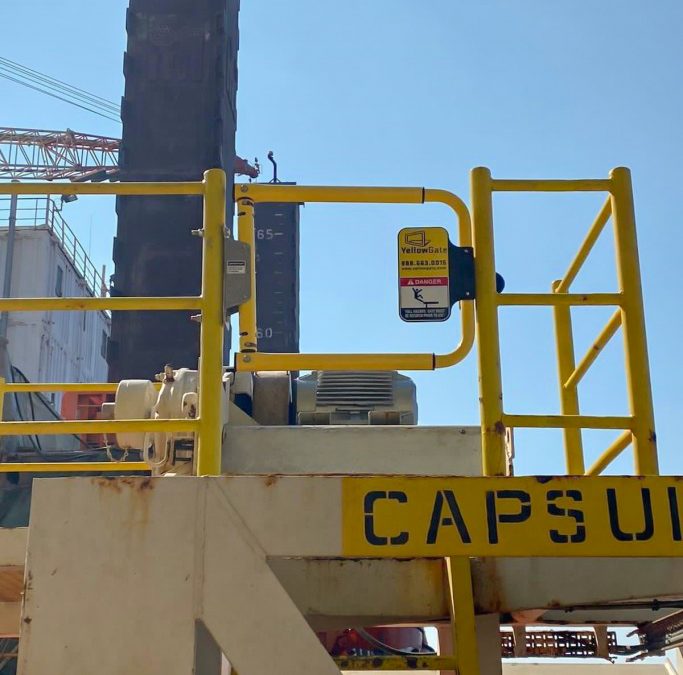
Where Should You Install Safety Swing Gates? A Practical Opening-by-Opening Guide
Guardrails help protect workers at elevated work areas—but only when the barrier remains continuous. Every time a guardrail system includes an...
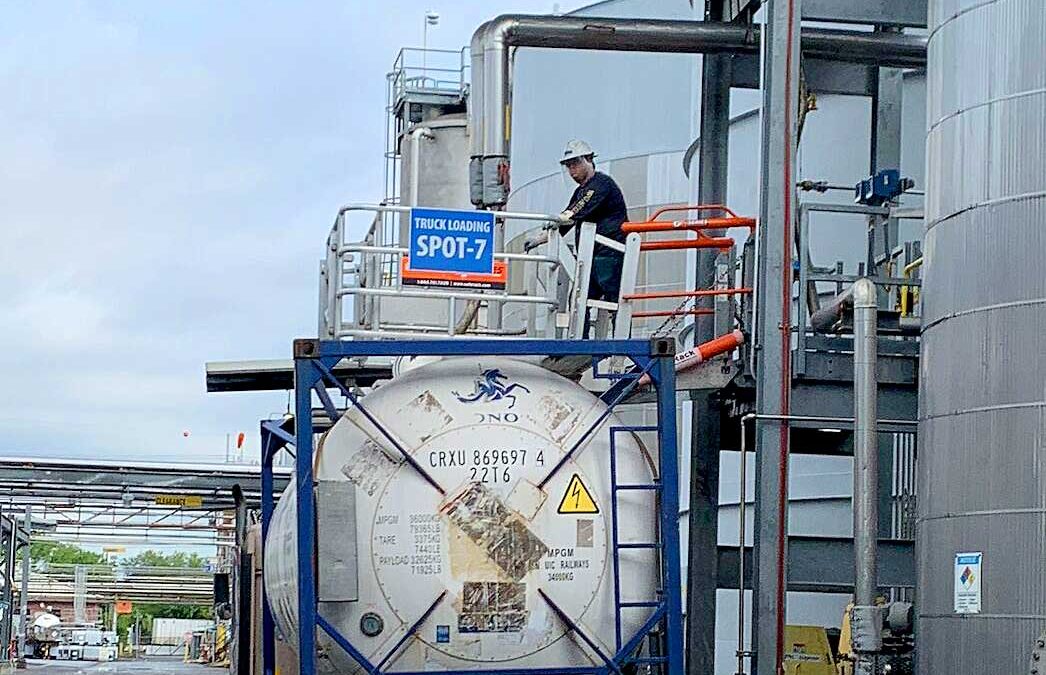
Designing a Truck Loading Platform Around Your Operation
The best truck loading platform is not simply a set of stairs beside a tanker. It is part of a complete access and loading system that helps...
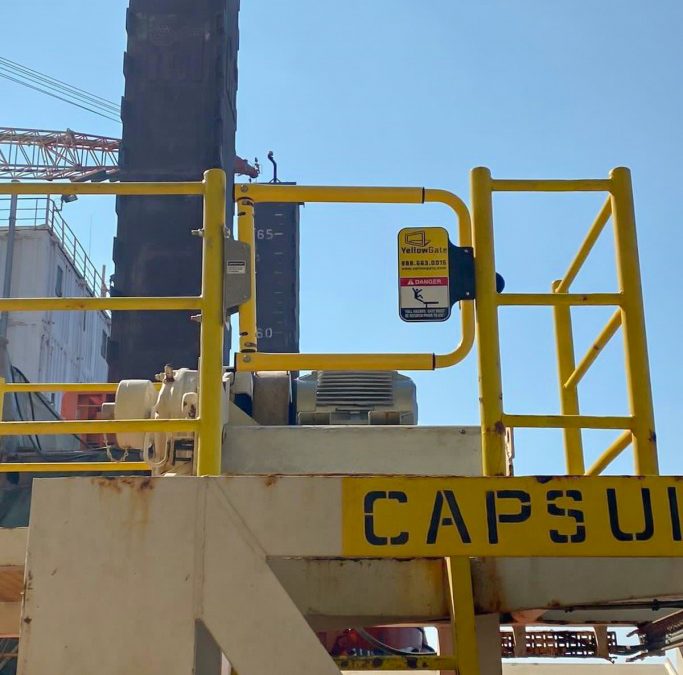
From Safety Chains to Self-Closing Gates: A YellowGate Case Study
At an industrial facility with nearly 100 unguarded openings, safety chains had become the standard method for restricting access to fall hazards....
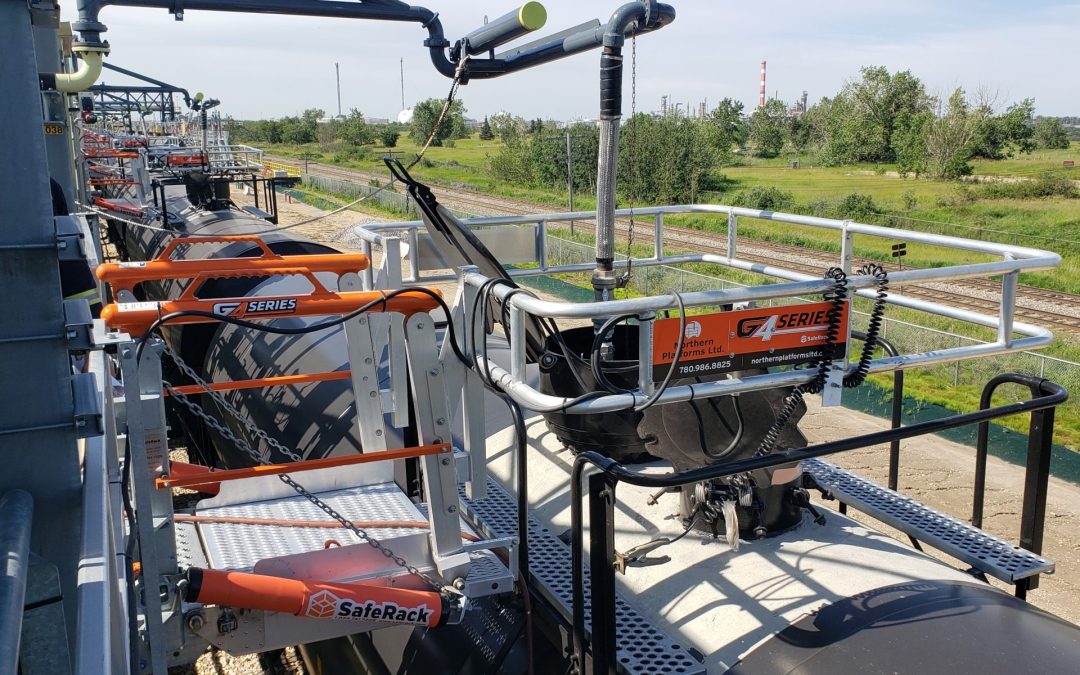
When Railcars Don’t Stop in the Right Place: Designing Loading Racks for Mis-Spotting
Railcar loading operations depend on alignment. For workers to safely access a railcar, the platform, gangway, safety cage, loading arm, and...
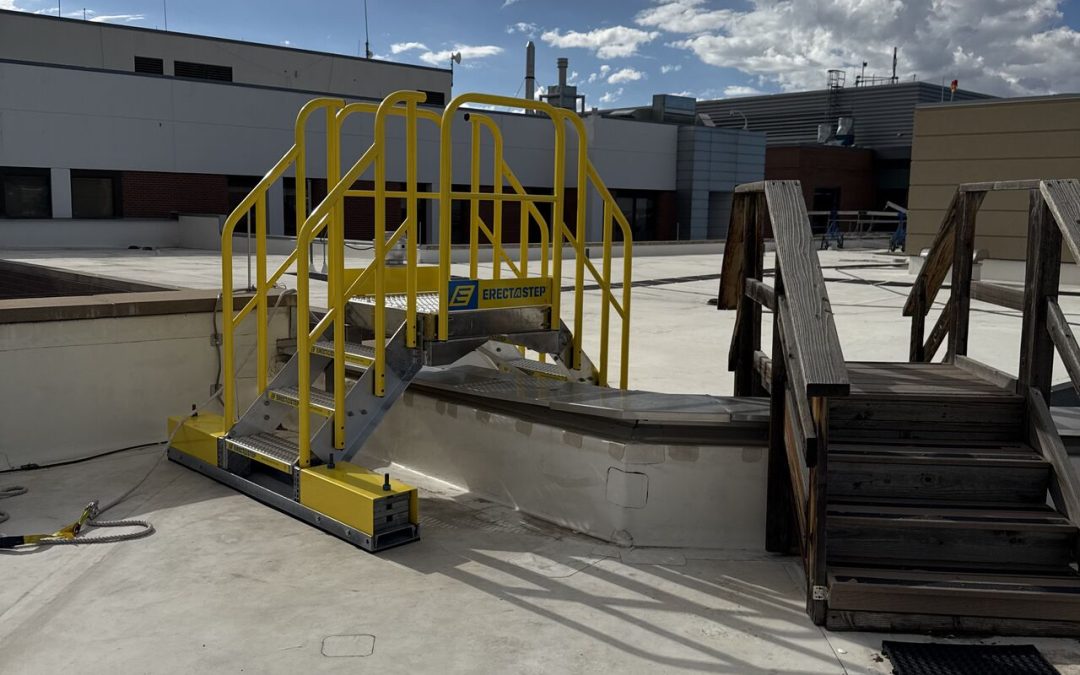
How to Create Safe, Repeatable Routes Across Industrial Rooftops
Industrial and commercial rooftops are working environments. Maintenance technicians may need to reach HVAC units, exhaust fans, air-handling...
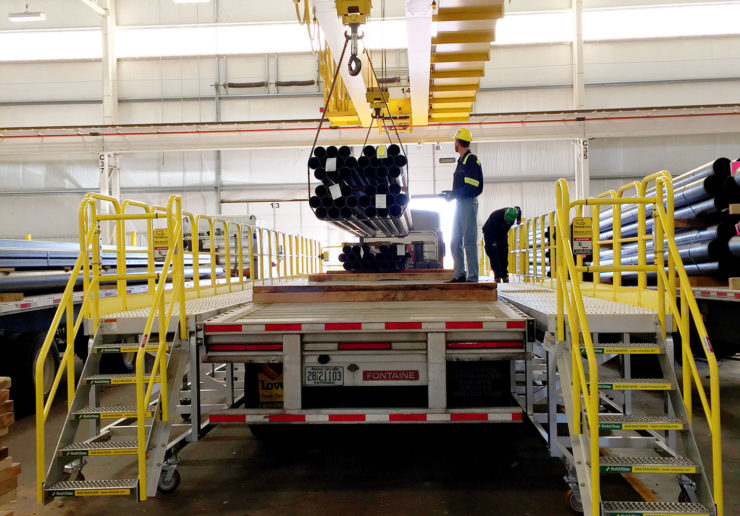
Portable Guardrails vs. Mobile Work Platforms for Flatbed Fall Protection
Flatbed fall protection depends on where workers need to perform the task. Some jobs require workers to access the trailer deck to inspect cargo,...
Get the inside scoop on all things
Follow Us