If your fuel terminal or bulk storage facility is operating with aging equipment, 2026 may be the right time to modernize your fuel tanker unloading system. Wondering which upgrades to prioritize? In this blog post, we’ll break down why a fuel tanker unloading system is important and the key modern components to consider. Keep reading!
Why a New Fuel Tanker Unloading System Matters
Many facilities delay upgrades until something fails. However, reactive replacements often cost more and cause more disruption than planned capital improvements. Here’s why proactive upgrades make sense in 2026:
Increase efficiency: Your outdated system might be costing you thousands. While small misalignments or loading errors might not feel like a big deal in the moment, they can add up over time—resulting in major operational losses.
Stay code-compliant: Fuel loading and unloading operations are subject to strict regulations around fire risks, vapour recovery, and hazardous materials. Investing in a new system ensures all crucial standards are met.
Invest in worker safety: If your operators are working at height without adequate fall protection, this creates serious risks. Additionally, hoses or unsafe fuel transfer procedures expose workers to substantial hazards.
Key Components of a Modern Fuel Tanker Unloading System
Fuel tanker unloading systems are comprised of numerous parts. Depending on your situation, you might consider upgrading one element or overhauling the whole system.
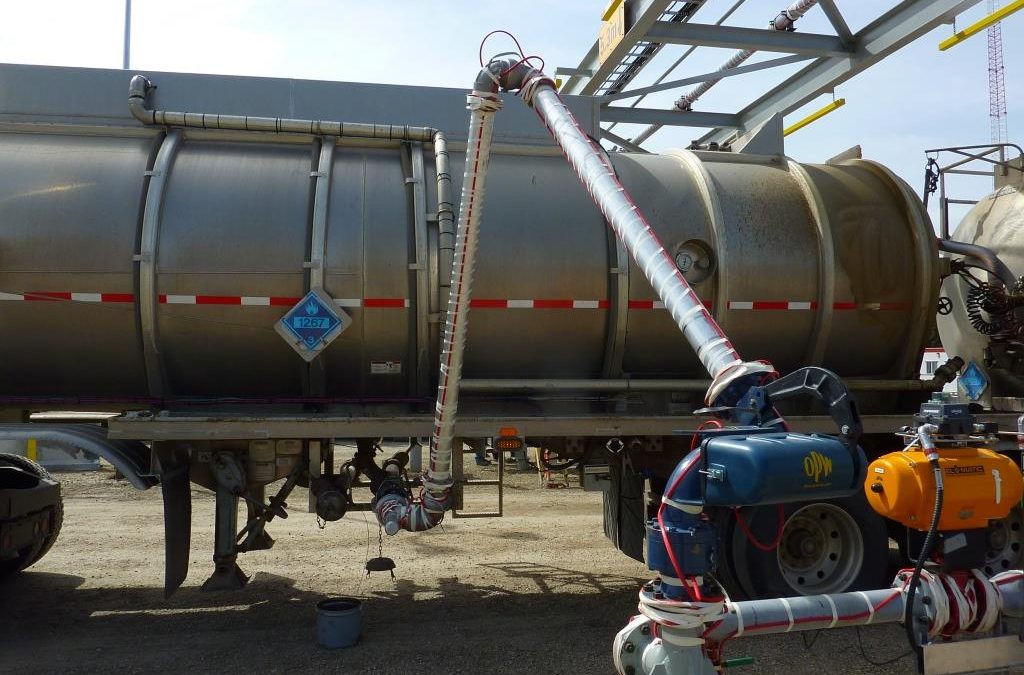
Are you still relying on hoses for fuel transfer? If so, installing a load arm is one of the easiest and highest-value upgrades you can make in 2026.
While many small operations use hoses for their affordability, there are several risks to these systems, including:
Increased physical strain for operators
Slower connection times
Higher spill risk during handling
Premature wear and frequent replacement
Inconsistent alignment with tanker connections
On the other hand, modern fuel loading arms provide a safer, more controlled alternative. Designed with precision swivel joints and counterbalanced articulation, loading arms move smoothly into position and remain supported during transfer. This reduces operator fatigue, improves seal integrity, and speeds up truck turnaround.
In facilities that require top-of-truck access, whether for loading, inspection or sampling, properly engineered platforms and gangways are essential. Modern loading racks are designed to:
Resist corrosion through modular aluminum construction
Seamlessly incorporate guardrails and safety gates
Even in bottom-loading operations, platforms may still be required. If you have primarily been using mobile access units and want to invest in a permanent solution, the truck loading platform can be a beneficial upgrade.
If you are considering an elevated work surface, fall protection is a must. This could include gangway safety cages, handrails, self-closing industrial swing gates, and more.
Plan Your 2026 Project with Northern Platforms Today
Replacing elements of your fuel loading and unloading system can sound like a large undertaking, but it doesn’t have to be–especially when you partner with the right provider. Northern Platforms works with leading manufacturers to deliver turnkey unloading system solutions, including:
Site assessments and system audits
Engineered platform and gangway design
Loading arm supply and replacement
Fall protection integration
Professional installation
Ongoing preventative maintenance programs
By planning your 2026 upgrade now, you can align with capital budgeting cycles, minimize operational disruption, and avoid emergency replacements caused by equipment failure.
When it comes to fuel tanker unloading equipment, dry disconnects have become essential for modern loading and unloading operations. These systems automatically shut as soon as your hose or loading arm is disconnected, which helps prevent spills and increases the overall safety of your site. At Northern Platforms, we specialize in turnkey fuel tanker loading and unloading equipment that integrates seamlessly into your site. In this guide, we’ll walk you through how dry disconnects work, the key equipment you need, and why they are a smart investment for your operation.
What are Dry Disconnects?
Dry disconnect couplings automatically shut off product flow when disconnected, helping to eliminate even the smallest spills. Unlike traditional couplings that release residual product into containment areas, dry disconnects retain any remaining fuel inside the connector itself. This means:
No fuel spills onto the ground
No product drips onto equipment or personnel
No vapour releases during disconnection
No cleanup required between unloading cycles
The retained product typically remains in the coupler and is removed during the next connection, or it can be drained safely during maintenance.
Dry Disconnect Options Available at Northern Platforms
Northern Platforms stocks two proven dry disconnect solutions for fuel tanker unloading:
OPW Kamvalok Dry Disconnect
The OPW Kamvalok is an industry-leading dry disconnect system designed specifically for critical and high-value products. Key features include:
Locking handle maintains position to prevent unintended coupler opening or closing
Automatic closure in both directions—both coupler and adapter shut off simultaneously
Optimized for low pressure drop and maximum flow rates
Available in 1½”, 2″, and 3″ sizes to match your system requirements
Material choices: Aluminum or 316 stainless steel construction
Best for: High-volume operations, critical products, facilities requiring maximum reliability and minimal maintenance
Drylok Dry Disconnect Coupler/Adaptor
The Drylok system offers an alternative dry disconnect solution engineered for dependable performance in demanding fuel tanker unloading environments. Key features include:
Designed for optimal flow and pressure performance
Durable construction suitable for high-frequency cycling
Compatible with standard tanker receptacles
Available in multiple sizes and pressure ratings
Best for: Standard fuel tanker operations, retrofit applications, cost-conscious facilities seeking proven reliability
Why Choose Northern Platforms
At Northern Platforms, we’ll partner with you from initial assessment through installation, commissioning, and ongoing support. The result? Fuel tanker unloading equipment that seamlessly integrates into your operation. Here’s why Western Canadian companies choose us:
Single-source accountability: One partner for loading arms, vapour recovery hardware, gangways, and loading platforms, and more.
Proven equipment: We work with industry-leading manufacturers like Emco Wheaton, OPW, and SafeRack.
Custom solutions: Systems designed for your specific fleet, site layout, and operational requirements.
Installation and training: Complete commissioning services and operator training for long-term success
Maintenance support: Ongoing service to keep your system running at peak efficiency
Our experience across diverse industries—from petroleum terminals to chemical facilities—means we understand the unique challenges of different loading applications and can design the right solution for your operation.
Call Us Now!
Ready to invest in fuel tanker unloading equipment? Contact Northern Platforms to schedule your site visit today!
Ready to create the ideal fuel tanker loading and unloading system from top to bottom? This blog post will walk you through all the essential equipment you’ll need. Plus, keep reading for some key considerations and featured manufacturers.
Essential Equipment for Fuel Tanker Loading
Bottom Loading Arms
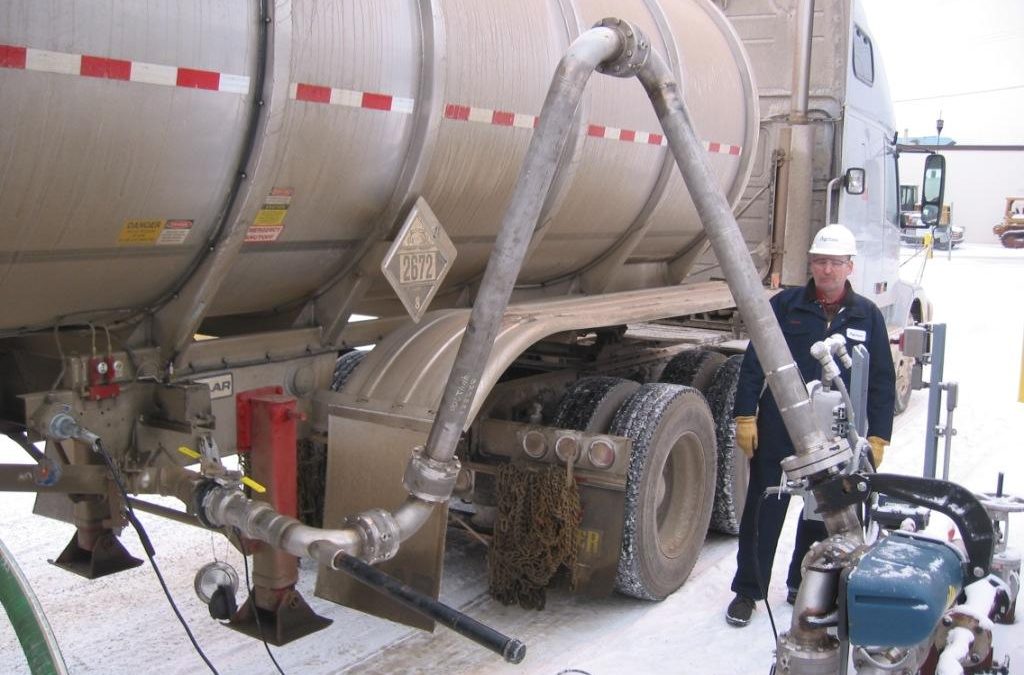
Looking for the best fuel tanker loading equipment? The answer is simple: invest in a bottom-loading arm. While many operations count on top-loading technology, bottom-loading is superior for fuel-specific uses. When a fuel tanker is loaded from the bottom, it creates less turbulence. This helps reduce static build-up and significantly minimizes fire risks.
An added benefit? Bottom loading allows workers to safely load and unload product from the ground— completely eliminating falling risks or other hazards from working at height.
Hoses
While most industry professionals recommend loading arms over hoses, this tried-and-true loading system still has its place. Generally speaking, hoses are a great choice for simpler operations or businesses with limited budgets. When choosing your hose assembly, pay attention to material compatibility, temperature ranges, and pressure ratings.
Breakaway Couplings
Accidents can happen in even the most ideal circumstances. When you invest in breakaway couplings for your fuel tanker loading system, you are protecting your operation and your workers from any incident that accidentally causes your loading arm or hose to dislodge from the tanker while loading. If your vehicle moves unexpectedly, this device will automatically shut off the fuel flow, protecting you from catastrophic spills.
API Couplers
Another essential piece of fuel tanker loading equipment? API Couplers to help ensure secure connections and reduce operator error. These connections will only open when properly engaged, helping prevent small spills when your hose or loading arm is disconnected. Pair these with breakaway couplings for complete protection.
Spill Containment
While most fuel tanker sites have spill containment pads built into their sites, you can ensure complete protection with additional containment products from Northern Platforms. With portable containment berms, pads for oil drums, and more can compliment your permanent infrastructure to ensure your site is 100% compliant and protected at all times.
Considerations for the Best Fuel Tanker Loading System
When selecting your fuel tanker loading equipment, there are many questions you should ask yourself, including the following:
What types of trucks do you deal with?
How many trucks do you deal with?
What are the environmental considerations of your site?
What tanker truck configurations does your system need to accommodate?
What are your flow rate and capacity requirements?
Still not sure what kind of system is right for you? Contact the experts at Northern Platforms to walk through your options.
Best Brands for Fuel Tanker Loading Equipment in 2025
Three industry leaders dominate the fuel tanker loading equipment market, each bringing unique strengths to operations worldwide.
OPW
One of the best brands in the business, OPW specializes in loading arms, hoses, fittings, and couplings that make loading operations more efficient. With over 100 years of experience, OPW products are infinitely customizable. From simple installations to complex multi-arm configurations, trust OPW for a fuel tanker loading system that seamlessly fit your needs. Trust OPW for:
Top, bottom, and custom loading arms that can be configured for every situation. Several different styles are available, including fixed reach, scissor-style, and more.
Quick and dry disconnects to ensure that there are no hazardous leaks or drips during the loading or unloading process.
Breakaway couplings and swivel joints for flexible operations.
SafeRack
Industry leaders in all things fall protection, SafeRack has over 40 years of experience designing loading platforms, mobile access units, gangways, and more. All SafeRack solutions are designed to meet or exceed the OSHA or OH&S regulations of your area. Their top products include:
Truck loading platforms with customizations for pedestal, multi-hatch, single-sided, and double-sided applications.
Articulating and self-levelling gangways designed to provide complete fall protection.
Safety cages that are compatible with all other SafeRack products for ultimate safety.
UltraTech
Looking for comprehensive spill containment technology? With over 400 different products in their catalogue, UltraTech has got you covered. From basic containment pans to fast-deploying oil booms, these products prioritize fast and effective responses to any spill that occurs on your site. For your operations, consider one of these products:
Portable spill trays for underneath your loading arm or hose for protection in case of unintended drips.
Drum spill containment pads for any fuel, oil, or chemicals that require secondary containment.
Track containment pads for any operation that also deals with railcars.
Northern Platforms: Western Canada’s Trusted Experts
Which item from this list are you choosing? No matter what you pick, you can trust Northern Platforms for high-quality, expertly designed fuel tanker loading systems that stand the test of time. We have over 20 years of experience and a comprehensive inventory from the industry’s best suppliers, including SafeRack, OPW, Ultratech, and more. Ready to get started? Call us today to schedule your first site visit!
Overflow spills, static fires…these are just some of the risks of unsafe fuel tanker loading systems. But did you know that you can easily prevent these dangers by investing in the proper equipment? In this guide, we’ll explore practical solutions to common fuel tanker loading mistakes. With a couple of simple products from Northern Platforms, your oil and gas operation will be safer and more efficient.
1. Overflow Spills
Depending on the scope, oil and gas spills can range from inconvenient to catastrophic. Even when operators are careful, a loading arm or hose can be accidentally dislodged, causing environmental damage and worker harm in seconds.
The Solution: Dry Disconnects
OPW’s dry disconnect couplings eliminate residual product spills by automatically sealing both sides of the connection. By using one simple solution, operators don’t have to worry about shutting valves or dealing with unions. Instead, you can ensure complete spill protection by upgrading to these couplings on all your loading arms.
2. Static Ignition Fires
Operators must be careful of static buildup when loading a fuel tanker, which can cause dangerous fires. One of the main ways static builds up is through turbulence and agitation inside the fuel tank during loading, especially when using traditional top-loading methods. These systems often cause splashing and sloshing, quickly increasing the amount of static electricity generated.
The Solution: Bottom Loading Arms
The best way to minimize liquid agitation and turbulence is to use bottom-loading arms. These fuel tanker loading systems are closer to the ground and help introduce fuel into the tank with minimal agitation.
3. Falls From Height
Falls are a leading cause of injury at loading sites, especially when workers need to access the tops of trucks or railcars for venting, inspection, or loading. Most Canadian regulations require fall protection for anyone working at heights of 4 meters or more or where a fall could cause serious injury. Icy surfaces, unstable work platforms, and other unsafe operations can turn routine loading tasks into serious fall hazards, leading to costly injuries and downtime.
The Solution: Fall Protection Systems
Safety swing gates, guardrails, gangways, and safety cages are all easy fall protection solutions that protect your workers from falling hazards. These passive fall protection systems are always in place, meaning your workers will always be protected even when distracted or busy. Plus, when you design a system with Northern Platforms, we’ll seamlessly integrate these fall protection products into your loading operations, minimizing disruption.
4. Equipment Failure Leaks
Does your site rely on hoses for loading and unloading your fuel tankers? While these systems have been trusted for many years, they have some significant drawbacks. Hoses can twist, break down, and leak over time, significantly slowing your operations. In the worst-case scenario, you might be on the hook for costly clean-ups or equipment replacements.
The Solution: Loading Arms
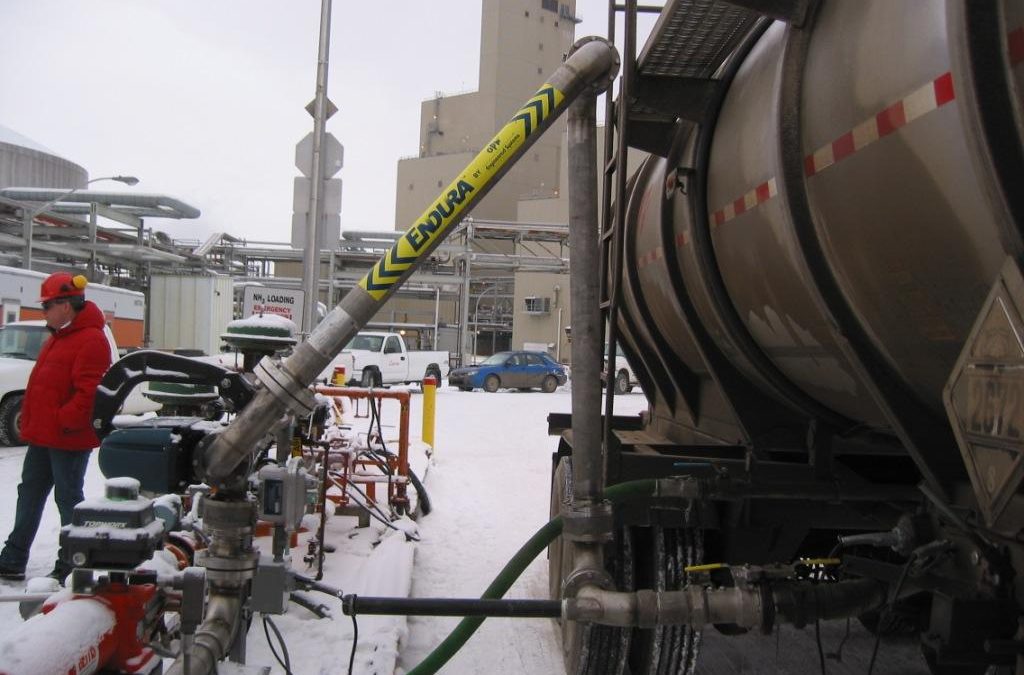
Are you tired of lugging hoses around your site? It might be time to invest in a loading arm. With high-quality fabrication and top-notch engineering, loading arms ensure a tight and safe connection throughout the transfer cycle. Available in truck, rail, and specialty configurations–with options for vapor recovery–these arms deliver leak-proof performance, simplify maintenance, and protect both workers and the environment.
Choose Northern Platforms for Comprehensive Fuel Tanker Loading Systems
While mistakes happen, there are still easy ways to prevent common fuel loading accidents. With a couple of products from Northern Platforms, you can take a proactive approach to protecting against fuel spills, static fires, and more. Ready to upgrade your safety protocols? Contact the Northern Platforms team today! With just one site assessment, our experts will analyze your workflow, recommend solutions, and improve your site. Partner with our team by calling us today!
If you’ve driven on the highway, there’s a high likelihood that you’ve seen a tanker. These trucks are integral to the oil and gas industry and are designed to transport liquids and gases by road. They are built with stable, rounded corners and can be trusted to transport flammable and unstable substances like gas, oil, and hazardous chemicals. Trucks need low centres of gravity and internal bulkheads or baffles when transporting fuel in a tanker. This is because fuel expands and contracts depending on its temperature. Tanker trucks might also transport other more stable liquid substances for human consumption.
How to Build the Best Fuel Tanker Unloading System
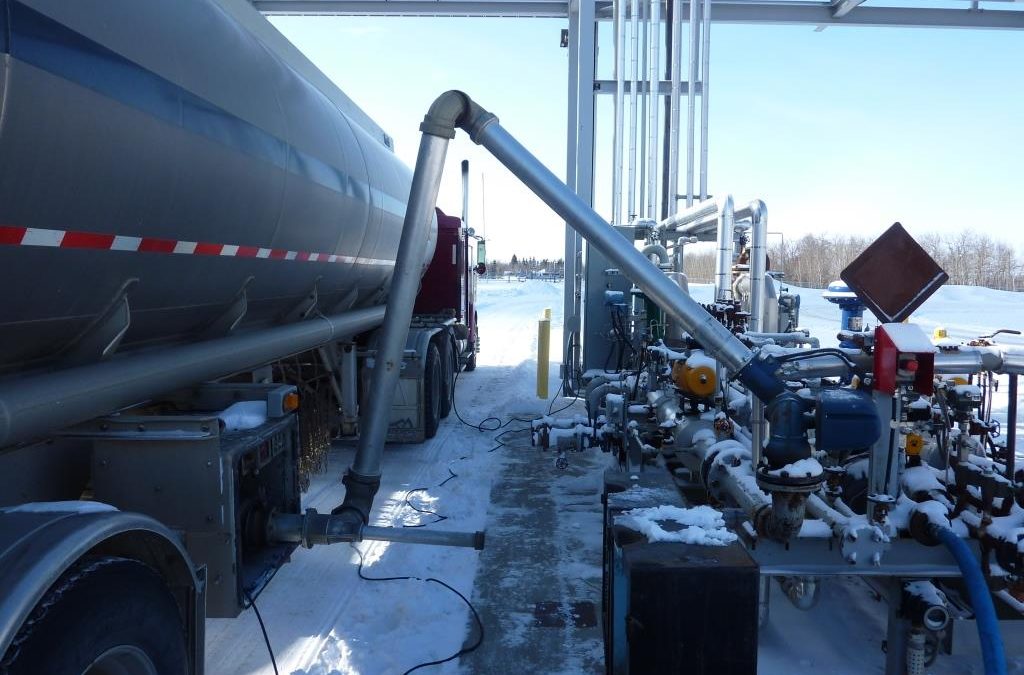
Looking to make your unloading operations the best in the business? The answer is simple: invest in a bottom-loading arm. While using hoses for loading and unloading in the fuel tanker industry is common, loading arms are superior for several reasons. Unlike hoses, they do not need to be recertified every year. Additionally, they are much safer for your crew. While Northern Platforms offers both bottom and top loading arms, we typically recommend bottom loading if your operation deals primarily with fuel. Here’s why bottom loading is best for fuel tanker unloading:
Helps prevent fires: bottom loading limits liquid agitation and turbulence, which can cause sparks and fires. These systems also typically feature grounding features.
Allows vapour recovery: bottom loading systems can be modified to recover displaced vapours, which can significantly reduce your environmental impact.
Reduces the risk of falls: As the name suggests, top loading is more dangerous since operators have to load and unload from the top of the truck, which creates a potential falling risk.
Extended lifespan (over 5 years) with frequent use.
Short lifespan with frequent use.
Site Safety
Easy and safe to operate. Can be outfitted with fall protection systems for additional safety.
Increased risk of tripping and other worker injuries.
Safety Features
Can easily be outfitted with additional safety features like dry disconnects, breakaway couplings, and overfill protection.
Can use breakaway couplings, dry disconnects, and hiltap fittings.
Certification Requirements
Low maintenance, no recertification required.
Must be maintained and require annual pressure tests.
Build a Comprehensive Fuel Tanker Loading and Unloading System with Northern Platforms
Ready to get started on making your operations safer and more efficient? We stock high-quality loading arms from EMCO Wheaton and OPW Engineered Systems, which are designed for optimal performance. These loading arms are ideal for unloading petroleum products, chemicals, and liquefied gases. Plus, when you partner with an experienced loading solution provider like Northern Platforms, you can ensure that your system will perfectly fit all your loading needs. We offer turnkey installation, expert maintenance, and consulting services. Explore our loading arm inventory and schedule a site visit with the Northern Platforms team today!
Efficient, safe, and effective–bottom loading arms are a worthwhile addition to your loading system.
Northern Platforms offers a wide selection of trusted and ergonomic bottom-loading arms from established brands like OPW Engineered Systems and EMCO Wheaton. Ready to integrate bottom-loading arms into your operation? Let’s go over some key things to consider before you make this purchase.
What are Bottom Loading Arms?
As the name suggests, bottom loading arms are used when loading from the bottom and should be paired with trucks or railcars that accommodate a bottom loading configuration.
Bottom-loading arms are a safer and more efficient alternative to hoses. Read more about the difference between hoses and loading arms in our previous post: “Hoses vs Loading Arms: Which Works Best?”
Here are some more advantages of bottom-loading arms:
Operator safety: Workers remain on the ground, which reduces fall risks.
Faster loading: Quicker connections and the ability to load multiple compartments at the same time.
Less turbulence: The process generates less turbulence in the tank, which helps lower static generation.
Less vapours: Fewer vapours are released, which helps lessen the environmental impact.
More cost-effective: Typically, these systems are easier and cheaper to build than top-loading arms.
Key Considerations for Choosing Bottom Loading Arms
There are several factors to consider when choosing your bottom loading arm. It is essential to consider your existing operation to ensure that you can find the right equipment for you.
If you aren’t sure where to start, contact Northern Platforms, and we will be happy to help you find a loading configuration that integrates seamlessly into your existing operation.
What type of fluid are you handling?
First, it is important to ensure that the materials of your bottom loading arm are compatible with the fluid you are moving.
For example, if you are moving corrosive substances, you will want to ensure that your bottom loading arms are made of a corrosion-resistant material like stainless steel. However, if you are moving non-hazardous materials, you could use carbon steel, which is often cheaper and lighter.
What type of vehicle are you loading?
Whether you are loading a tanker truck or a railcar, the type of vehicle you are loading affects the design of your bottom loading arms. Keep in mind that different vehicles have specific connection points and height requirements. Make sure to choose an arm that can easily reach and securely connect to your vehicle to avoid leaks and operational issues.
What is your loading environment like?
Your loading environment can significantly impact the type of loading arm you need. Consider: is there existing equipment that would interfere with your loading arm? Do you need an operation that is suitable for outdoor use? Are there other environmental factors you should consider, like extreme temperatures or exposure to hazardous chemicals?
What additional safety equipment do you need?
While bottom loading arms are a good start, there are always ways to make your site safer and more efficient. At Northern Platforms, we offer extra safety equipment to help ensure that your loading system operates smoothly and safely.
While bottom loading arms can improve the efficiency and safety of your loading and unloading operations, working with an experienced team is essential to ensure this new addition integrates seamlessly into your existing operation. That’s where Northern Platforms comes in. We’ll consider your existing equipment and ensure your new loading arm fits perfectly.
With over 50 years of industry experience, Northern Platforms is always happy to send one of our experts to your site. We’ll conduct a thorough evaluation every time to help guarantee a perfect match. Contact us today to find the loading arm that is right for you.